

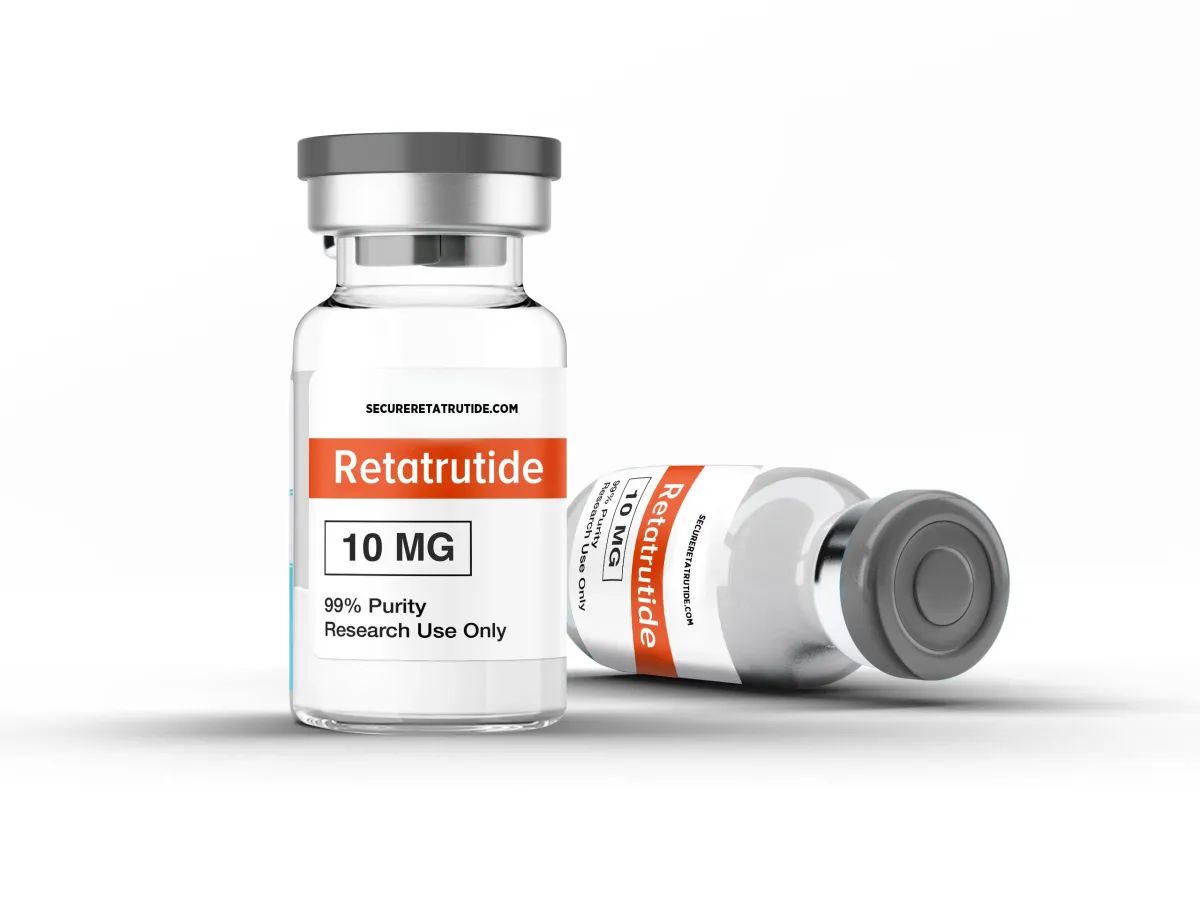
Retatrutide 10 mg – Triple-Agonist Therapy (Phase 3)
🔹 Mechanism of Action
Retatrutide is a first-in-class triple-agonist. It targets three key hormone receptors in the body:
-
GLP-1 (glucagon-like peptide-1)
-
GIP (glucose-dependent insulinotropic polypeptide)
-
Glucagon receptors
This combination may offer several benefits:
-
Reduced appetite (GLP-1)
-
Increased fat burning and energy use (glucagon)
-
Better insulin sensitivity (GIP)
🔹 Clinical Trial Results (Phase 2 Study)
In a 24-week study, Retatrutide 10 mg showed strong results compared to Tirzepatide 10 mg:
-
Weight loss: 18.2% vs. 14.9% total body weight
-
A1c reduction: 1.8% vs. 1.5%
-
Waist reduction: 6.2 inches vs. 5.1 inches
-
Nausea rate: 32% vs. 28%
These results suggest improved weight loss and metabolic outcomes.
🔹 Dosing and Administration
Retatrutide is given as a weekly injection.
Typical dose schedule:
-
Weeks 1–4: 2 mg
-
Weeks 5–8: 4 mg
-
Weeks 9–12: 6 mg
-
Weeks 13–16: 8 mg
-
Week 17+: 10 mg (maintenance)
How to use:
-
Inject under the skin (abdomen or thigh)
-
Use the same day each week
-
Rotate injection sites to reduce irritation
🔹 Key Benefits of Retatrutide peptide buy online
Retatrutide may offer advantages over existing treatments:
Greater weight loss
-
Up to 3–5% more weight loss than tirzepatide
-
Higher fat loss while preserving lean muscle
Improved metabolic health
-
Reduced liver fat
-
Increased resting metabolic rate
-
Better blood sugar control
Flexible dosing (under study)
-
Monthly dosing may be possible in the future
🔹 Safety and Side Effects of Retatrutide peptide buy online
Common side effects include:
-
Nausea
-
Diarrhea
-
Mild increase in heart rate
-
Injection site reactions
These effects are usually mild and may improve over time.
Important safety concerns:
-
Possible thyroid tumor risk (seen in early studies)
-
Risk of pancreatitis
Always consult a healthcare provider before use.
🔹 Who May Benefit
Retatrutide may be suitable for:
-
People with BMI ≥30 (obesity)
-
Patients needing significant weight loss (>15%)
-
Individuals who did not respond to other GLP-1 therapies
Not recommended for:
-
History of thyroid cancer
-
Multiple endocrine neoplasia syndrome type 2
-
Severe kidney or liver disease
🔹 Monitoring During Treatment
Doctors may recommend regular checks, including:
-
Weight and BMI tracking
-
Blood sugar and metabolic panels
-
Thyroid and pancreatic markers
-
Heart health monitoring
🔹 Cost and Availability
-
Expected cost: $1,200–$1,500 per month (if approved)
-
Possible uses: obesity, type 2 diabetes, and liver disease
Retatrutide is still under review by the U.S. Food and Drug Administration and is not yet approved.
🔹 Comparison With Other Treatments
| Feature | Retatrutide 10 mg | Tirzepatide 15 mg | Semaglutide 2.4 mg |
|---|---|---|---|
| Targets | GLP-1, GIP, Glucagon | GLP-1, GIP | GLP-1 |
| Weight Loss (24 weeks) | 18.2% | 14.9% | 12.4% |
| A1c Reduction | 1.8% | 1.7% | 1.5% |
| Hypoglycemia Risk | Low | Low | Low |
🔹 Ongoing Research
Current Phase 3 studies are exploring:
-
Long-term weight loss (72 weeks)
-
Heart health outcomes
-
Liver disease (NASH) improvements
-
Blood pressure and metabolic effects
⚠️ Important Note
Retatrutide is an investigational medication and is not yet approved for public use. Approval will depend on ongoing clinical trial results. Retatrutide peptide buy online
| choose an option | 4week, 8weeks |
|---|
Be the first to review “Retatrutide 10mg”
You must be logged in to post a review.
Related products
Sale!
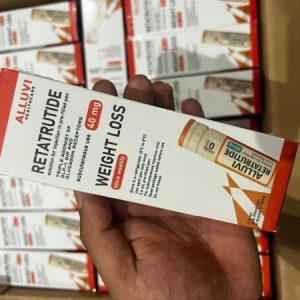
Retatrutide
Original price was: £255.00.£235.00Current price is: £235.00.
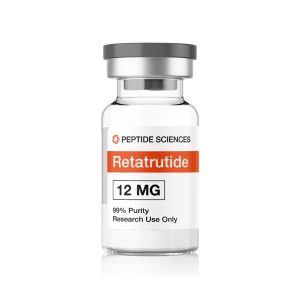
Retatrutide
Price range: £125.00 through £225.00
Sale!
Retatrutide
Original price was: £165.00.£130.00Current price is: £130.00.
Retatrutide
Price range: £112.00 through £222.00
Sale!
Retatrutide
Original price was: £200.00.£180.00Current price is: £180.00.
Retatrutide
Price range: £109.00 through £218.00
Sale!
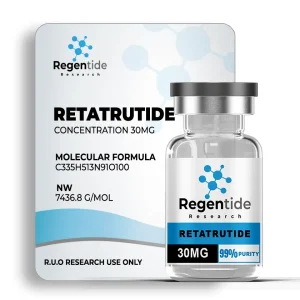
Retatrutide
Original price was: £245.00.£220.00Current price is: £220.00.
Sale!
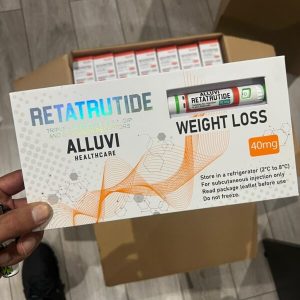
Retatrutide
Original price was: £265.00.£230.00Current price is: £230.00.
Reviews
There are no reviews yet.