

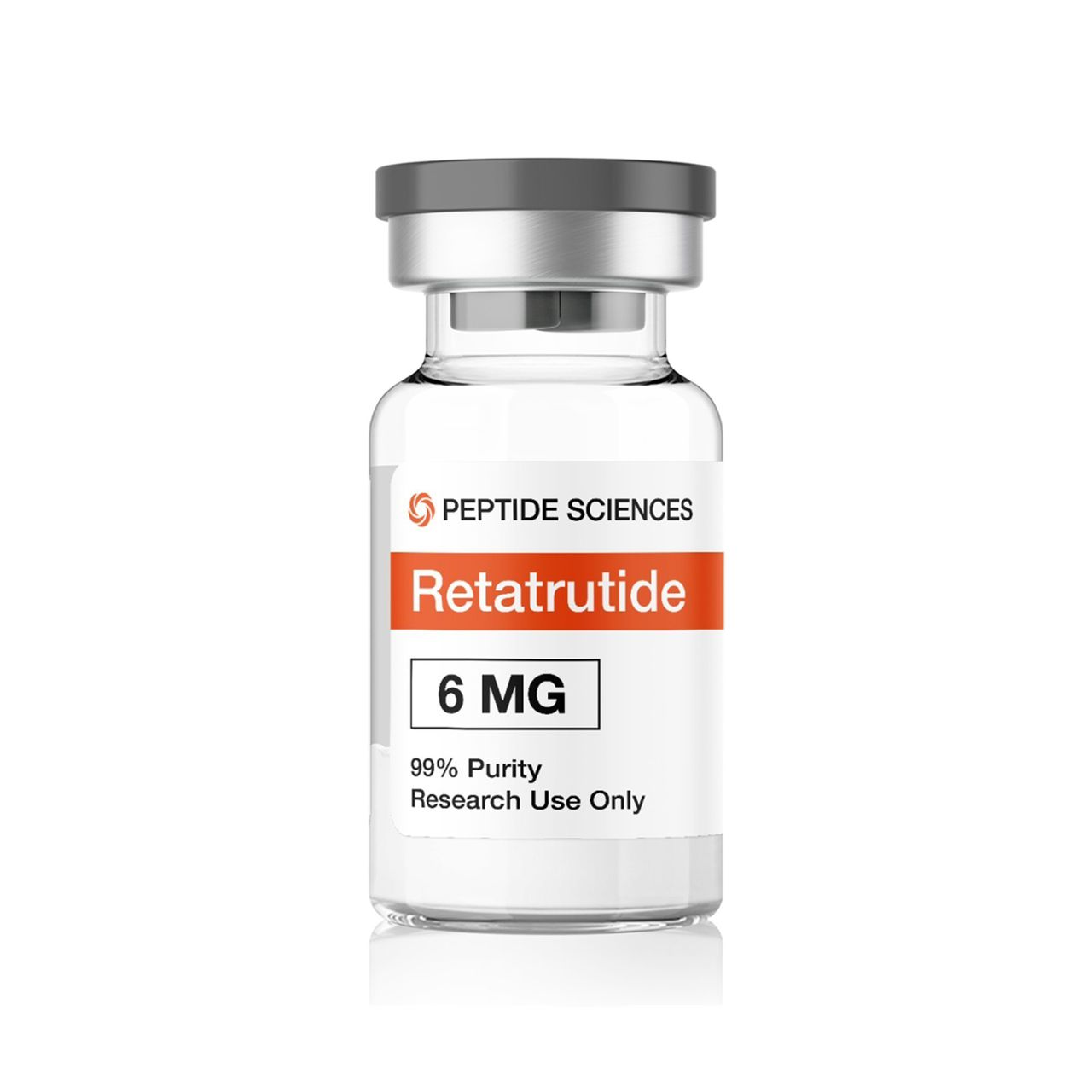
Retatrutide 6 mg – Triple-Agonist Weight Loss Therapy (Retatrutide how to get)
Retatrutide 6 mg is an investigational weight-loss treatment developed by Eli Lilly and Company Retatrutide how to get. It works as a triple-agonist, targeting three key hormone receptors that control appetite, metabolism, and fat burning.
Mechanism of Action
Triple Hormone Activation
Retatrutide works by activating three important receptors in the body:
-
GLP-1 (75–80%) – Helps reduce appetite and control blood sugar
-
GIP (70–75%) – Improves insulin sensitivity and regulates fat storage
-
Glucagon (60–65%) – Increases fat burning and energy use
Synergistic Effect
By combining these actions, retatrutide delivers stronger results:
-
Up to 2.5x greater fat burning compared to GLP-1-only treatments
-
Around 97% lean muscle retention, which is higher than many alternatives
Clinical Results (TRIUMPH-2 Study)
Clinical data shows strong results after 24 weeks:
-
Weight loss: Up to 16.5% of total body weight
-
Fat loss: Around 22.1% reduction
-
Blood sugar (A1c): Reduced by 1.8%
-
Liver health (NASH): Improvement seen in over 50% of patients
Compared to other treatments, retatrutide shows greater overall metabolic benefits.
Dosage and Administration
Titration Schedule
-
Weeks 1–4: 2 mg (starting dose)
-
Weeks 5–8: 4 mg
-
Week 9 and beyond: 6 mg (maintenance dose)
Best Practices
-
Injection sites: Arm, abdomen, or thigh (rotate weekly)
-
Timing: Evening doses may help improve appetite control
-
Storage: Keep refrigerated (2–8°C); stable at room temperature for up to 28 days
Side Effects and Management
Common side effects may include:
-
Nausea (30%) – Can be managed with diet changes or supplements
-
Diarrhea (24%) – Often mild and temporary
-
Increased heart rate (18%) – Usually settles within a few weeks
-
Injection site reactions (9%) – Rotate sites to reduce irritation
Most side effects are mild to moderate and improve over time.
Who May Benefit?
Best suited for:
-
Individuals with BMI 30–45 and metabolic conditions
-
People with prediabetes or fatty liver disease
-
Those who did not respond well to other GLP-1 treatments
Not recommended for:
-
Patients with a history of thyroid cancer
-
Individuals with pancreatitis
-
Severe kidney impairment
Monitoring and Safety
Regular monitoring is important when using retatrutide. This includes:
-
Blood sugar levels
-
Heart rate
-
Kidney and liver function
Always consult a healthcare professional before starting treatment. Retatrutide how to get
| choose an option | 4week, 8weeks |
|---|
Be the first to review “Retatrutide 6mg”
You must be logged in to post a review.
Related products
Sale!
Retatrutide
Original price was: £200.00.£180.00Current price is: £180.00.
Sale!
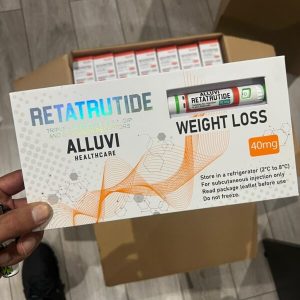
Retatrutide
Original price was: £265.00.£230.00Current price is: £230.00.
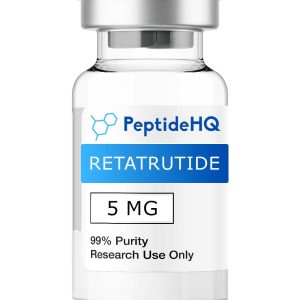
Retatrutide
Price range: £109.00 through £218.00
Sale!
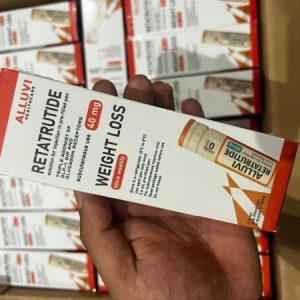
Retatrutide
Original price was: £255.00.£235.00Current price is: £235.00.
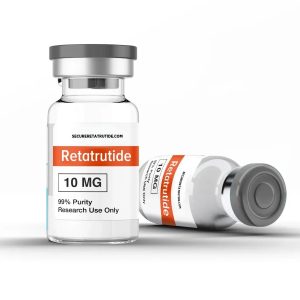
Retatrutide
Price range: £122.00 through £242.00
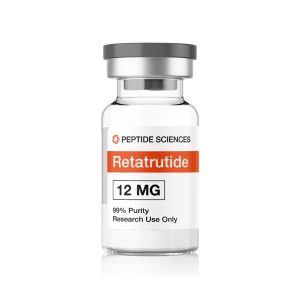
Retatrutide
Price range: £125.00 through £225.00
Sale!
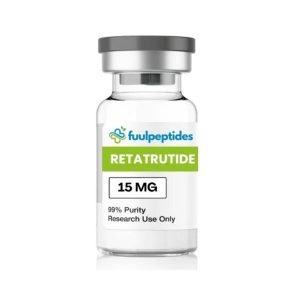
Retatrutide
Original price was: £165.00.£130.00Current price is: £130.00.
Sale!
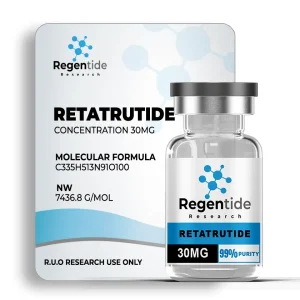
Retatrutide
Original price was: £245.00.£220.00Current price is: £220.00.
Reviews
There are no reviews yet.